
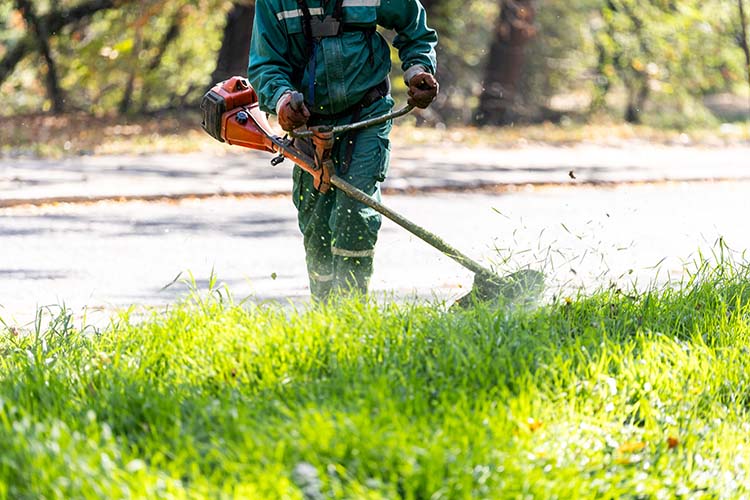
Most lawn care businesses scramble when the busy season hits—losing time and money on worn-out equipment, last-minute hires, and missed opportunities. You can change that by planning smarter with easy steps like auditing your tools, adjusting pricing, and tightening routes. Keep reading to learn practical lawn care preparation tips that boost profitability and help you stay ahead all year long.
Prepare Your Equipment Early
The quiet winter months give you a perfect window to get your gear ready. Smart lawn pros know that equipment issues during peak season cost more than just repair bills—they steal your most valuable asset: time.
Conduct a Thorough Audit
Start by creating a simple checklist of every piece of equipment you own. Pull out those mowers, trimmers, and blowers and check them one by one. What’s the condition of your blades? Are fuel lines cracked? Do engines start on the first pull?
Most lawn care companies lose 5-10% of their potential revenue to unexpected breakdowns. You can avoid this trap by testing each machine now. Mark each item as “ready,” “needs repair,” or “replace.” Take photos of serial numbers and create a digital inventory—this makes insurance claims much easier if theft occurs.
Don’t forget the small stuff. Check your supply of trimmer line, oil filters, and spark plugs. These tiny items can shut down your whole operation when you’re booked solid with customers waiting. Your future self will thank you when the busy season hits and your equipment runs like clockwork.
Replace Before Spring Scarcity
Winter is the best time to shop for new equipment. Prices drop as dealers clear inventory, and you’ll beat the spring rush when everyone scrambles for the same tools.
Many manufacturers offer off-season discounts of 10-25% on commercial equipment. Call your dealers now and ask about floor models, demo units, or year-end specials. One lawn care owner I know saved $4,200 by purchasing his three mowers in January instead of April.
When buying new gear, focus on fuel efficiency and durability rather than just the sticker price. A mower that costs $500 more but uses 15% less gas will pay for itself in a single season. Look at maintenance records from your audit—if you’re fixing the same machine repeatedly, it’s time to replace it.
The seasonal guide to lawn care shows that equipment failures spike in April and May. By replacing worn machines now, you avoid the backlog at repair shops when everyone else is frantically trying to fix their equipment.
Optimize Your Workforce
Your team makes or breaks your lawn care business. The slow season gives you time to build the crew that will power your success when things get busy.

Evaluate Crew Performance
Pull out last season’s records and look at which team members delivered the best results. The top performers aren’t always obvious—look beyond speed to quality, customer feedback, and reliability.
Create a simple scorecard for each employee with metrics that matter: attendance, quality scores, customer complaints, and extra services sold. The data might surprise you. Sometimes your fastest worker generates the most callback requests, while a slower, more thorough employee creates loyal customers.
Ask yourself tough questions: Which crew members would you clone if you could? Who causes the most headaches? One lawn care owner told me he tracked crew performance and found that his highest-paid worker was actually costing him money through poor quality work and customer complaints.
Be honest about who fits your company culture. A skilled worker with a bad attitude can poison your entire team. The slow season is the perfect time to have frank conversations about expectations or to part ways with employees who aren’t meeting standards.
Start Recruiting Early
The biggest mistake lawn care companies make is waiting until March to start hiring. By then, the best candidates are already taken. Start your hiring process now while other companies hibernate.
Create job postings that sell the benefits of working for you. Instead of just listing requirements, highlight growth opportunities, flexible schedules, or any perks you offer. Good workers have options—give them reasons to choose you.
Look beyond traditional hiring channels. Contact local high school agriculture programs, community colleges, and even sports teams looking for summer work. Some of my most successful lawn care clients recruit workers from church groups and community organizations.
Consider offering signing bonuses for early commitments. A $200 bonus paid after 90 days of work is a small price for securing reliable help before the rush. You might also create a referral program where current employees earn bonuses for bringing in qualified workers who stay the season.
Remember that seasonal lawn care requires different staffing strategies than year-round operations. Be upfront about work duration, and you’ll attract candidates who match your needs.
Boost Your Marketing Strategy
While your competitors hibernate, you can grab market share by refreshing your marketing approach. Small tweaks now lead to big gains when the season kicks off.

Refresh Online Presence and Reviews
Take a hard look at your website and social profiles through your customers’ eyes. Are they showing your best work? Do they answer the questions customers actually ask?
Update your portfolio with fresh photos from last season’s best projects. Replace any blurry or poorly lit images—quality matters. Add before-and-after shots that showcase dramatic improvements. These visual stories sell your services better than any sales pitch.
Check all your business listings on Google, Yelp, and Facebook. Make sure your hours, services, and contact information match across all platforms. Studies show that 68% of customers doubt a business’s credibility when they find conflicting information online.
Now tackle your reviews. Thank everyone who left positive feedback last season—yes, even months later. For negative reviews, respond professionally and offer solutions. Then create a simple system to collect more reviews this coming season, like sending a text message link after completing service.
Don’t forget to check what comes up when someone searches for lawn care in your area. The seasonal lawn care checklist from competitors might be outranking you. Study what they’re doing right, then make your content even better.
Strengthen Customer Retention Plans
Keeping existing customers costs far less than finding new ones. Create a simple retention plan that makes clients feel valued year-round.
Start by segmenting your customer list: Who spent the most? Who referred others? Who complained? Then craft different messages for each group. Your top customers might get early access to premium services, while those who complained receive special attention to win back their trust.
Create a simple communication calendar. Plan emails or postcards that remind customers of seasonal services before they need them. A message about aeration in late summer puts you ahead of competitors who wait until fall.
Consider loyalty rewards that encourage customers to stick with you year after year. This could be as simple as a 5% discount for two-year commitments or a free spring cleanup after three seasons of service. One lawn care company I work with offers a “neighbor discount” when customers refer people on their street—it builds clusters of clients that make routes more profitable.
The annual lawn care guide shows how different services should be promoted throughout the year. Use this knowledge to time your customer communications perfectly.
Remember that true customer retention starts with exceptional service. Use the slow season to train your team on the little touches that build loyalty: clean trucks, crisp uniforms, and taking time to chat with customers occasionally. These small investments pay huge dividends in customer lifetime value.
By preparing your equipment, optimizing your workforce, and boosting your marketing now, you’ll be miles ahead when the busy season hits. The lawn care companies that thrive don’t just work harder—they work smarter by using the off-season to build foundations for success.